


RELATED
 Aluminum Sheet: Types, Key Features and Industrial Buying GuideSep 14, 2026
: Premium Quality & Industrial Applications (2026)") Hot-Dip Galvanized Steel Coil (GI Coil): Premium Quality & Industrial Applications (2026)Sep 11, 2026
Hot-Dip Galvanized Steel Coil (GI Coil): Premium Quality & Industrial Applications (2026)Sep 11, 2026 SHS RHS and CHS Structural Steel TubesSep 09, 2026
") Mysteel Weekly Report: East China Steel Pipe Prices Adjust Downward Amid Clear Off-Season Characteristics (July 31–August 7)Aug 13, 2026
Mysteel Weekly Report: East China Steel Pipe Prices Adjust Downward Amid Clear Off-Season Characteristics (July 31–August 7)Aug 13, 2026 Beyond the Surface: Global Steel Industry Trends & Seamless Pipe Innovation 2026Aug 10, 2026

MESSAGE
In the vast family of steel, if carbon steel is the "workhorse" and galvanized steel is the "bodyguard" in armor, Stainless Steel is undoubtedly the "celebrity"—always polished, always elegant, and seemingly immune to the passage of time.
It doesn’t just shine in our kitchens; it is indispensable in aerospace, medicine, and high-end architecture. But have you ever wondered: How does stainless steel actually achieve its "eternal youth"?
A "Beautiful Mistake": The Secret of Chromium
The birth of stainless steel was actually a happy accident. Scientists discovered that by adding more than 10.5% Chromium to steel, the destiny of the metal was forever changed.
Chromium is a unique element. As soon as it encounters oxygen, it quickly forms an extremely dense, microscopic layer on the surface of the steel called the Passive Layer. This layer is so thin it's invisible to the naked eye, acting like a high-tech "invisible cloak" that completely isolates the iron atoms inside from corrosive elements in the environment.
The most magical part? This cloak is "self-healing." If you scratch the surface with a knife, the exposed chromium instantly reacts with oxygen again, repairing the protective layer within seconds.
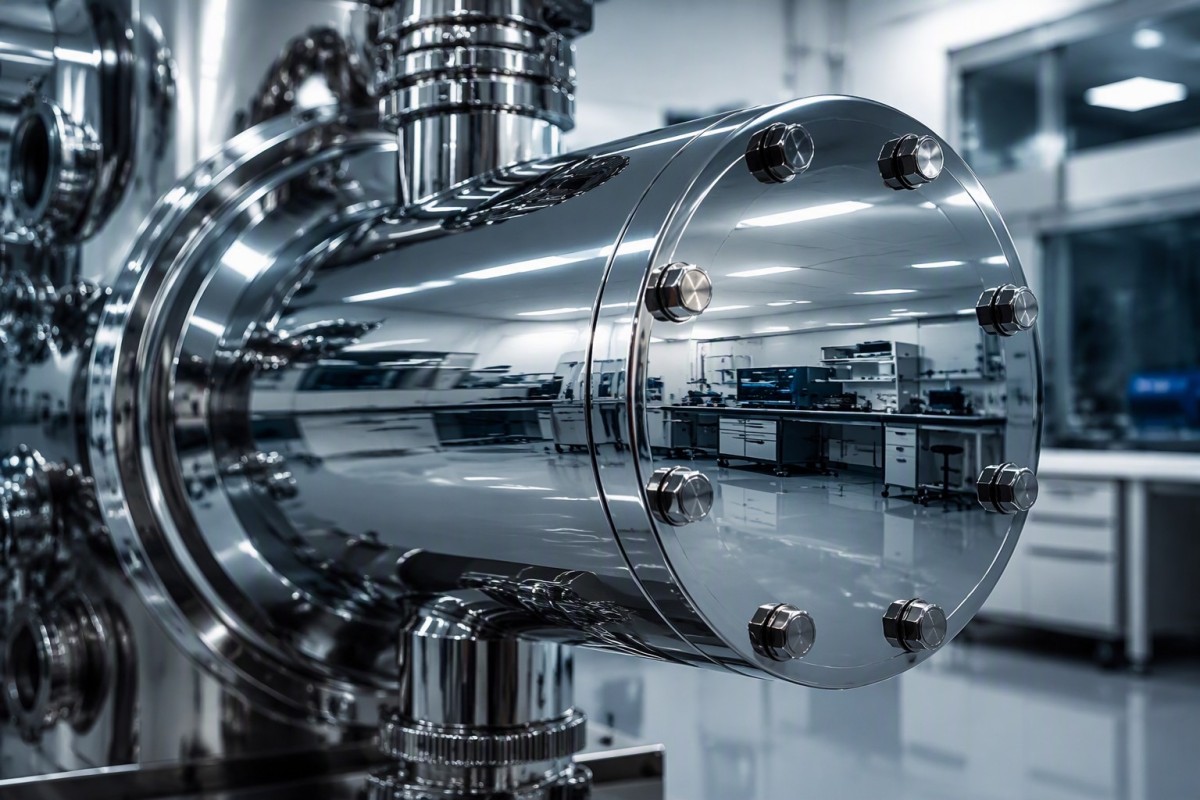
Scientific Brilliance: The invisible passive layer is the secret to stainless steel's lifelong durability.
304 or 316? Choosing the Right "Steel"
The stainless steel family is large, but you’ll most often hear about 304 and 316. While they look nearly identical, their personalities are quite different:
-
Grade 304: The King of Versatility. It handles most household and industrial scenarios with ease, serving as the backbone of your kitchenware, appliances, and general machinery.
-
Grade 316: Known as "Medical Grade" or "Marine Grade." By adding Molybdenum, its resistance to chloride corrosion is significantly enhanced. If you’re near the ocean or dealing with harsh chemicals, 316 is the gold standard.

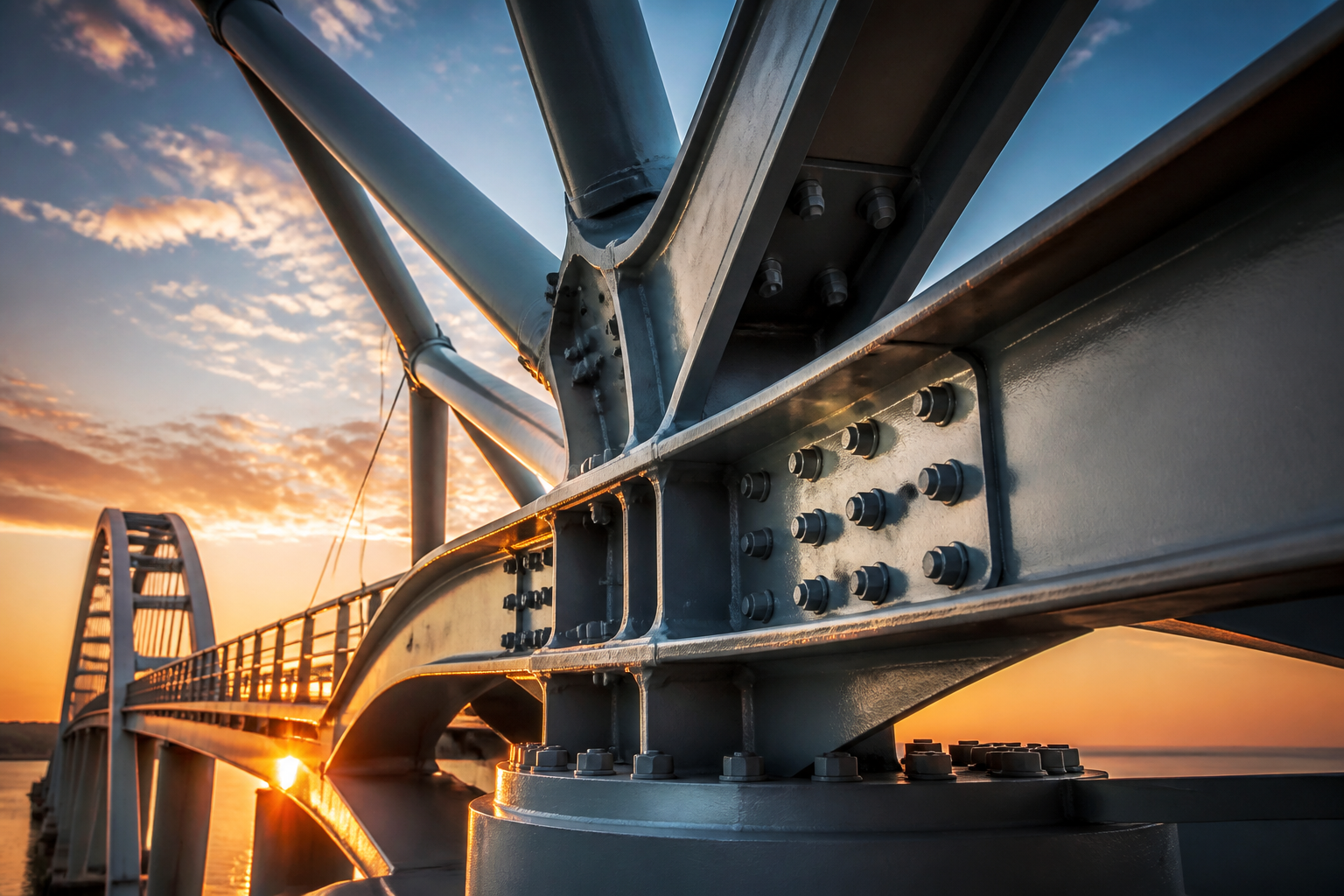
Steel Romance: Stainless steel facades do more than provide strength—they capture the art of light and shadow.
The "Hygienic Hero" of Modern Civilization
Why are scalpels, medical instruments, and food processing lines almost exclusively made of stainless steel?
Because its surface is incredibly smooth and non-porous, leaving no place for bacteria to hide. Furthermore, it doesn't leach harmful substances into food. This inherent "self-cleaning" physical property makes it a guardian of human health.
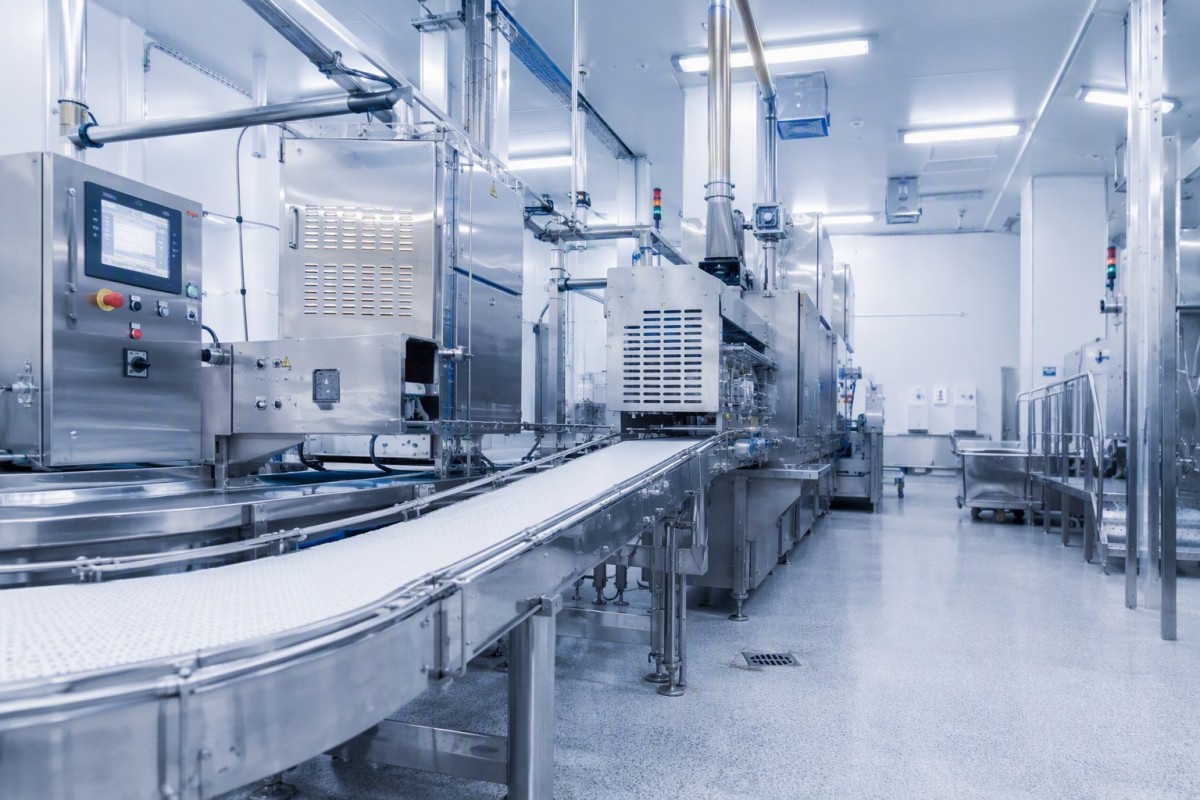
Precision and Purity: In environments where hygiene is non-negotiable, stainless steel is the only answer.
Conclusion: Beauty That Lasts
The value of stainless steel lies not just in its initial shine, but in its ability to maintain that shine for decades or even centuries. It is sustainable (100% recyclable) and highly economical due to its near-zero maintenance costs over its lifecycle.
The next time you touch a cool, smooth stainless steel handrail, remember: you are touching one of humanity's most successful triumphs over natural corrosion.
Leave A Message
If you are interested in our products and want to know more details, please leave a message here, we will reply you as soon as we can.