

RELATED
") Mysteel Weekly Report: National Seamless Pipe Prices Expected to Oscillate Toward Stability Next Week (September 4–11)Sep 20, 2026
Mysteel Weekly Report: National Seamless Pipe Prices Expected to Oscillate Toward Stability Next Week (September 4–11)Sep 20, 2026 Aluminum Sheet: Types, Key Features and Industrial Buying GuideSep 14, 2026
: Premium Quality & Industrial Applications (2026)") Hot-Dip Galvanized Steel Coil (GI Coil): Premium Quality & Industrial Applications (2026)Sep 11, 2026
Hot-Dip Galvanized Steel Coil (GI Coil): Premium Quality & Industrial Applications (2026)Sep 11, 2026 SHS RHS and CHS Structural Steel TubesSep 09, 2026
") Mysteel Weekly Report: East China Steel Pipe Prices Adjust Downward Amid Clear Off-Season Characteristics (July 31–August 7)Aug 13, 2026
Mysteel Weekly Report: East China Steel Pipe Prices Adjust Downward Amid Clear Off-Season Characteristics (July 31–August 7)Aug 13, 2026

MESSAGE
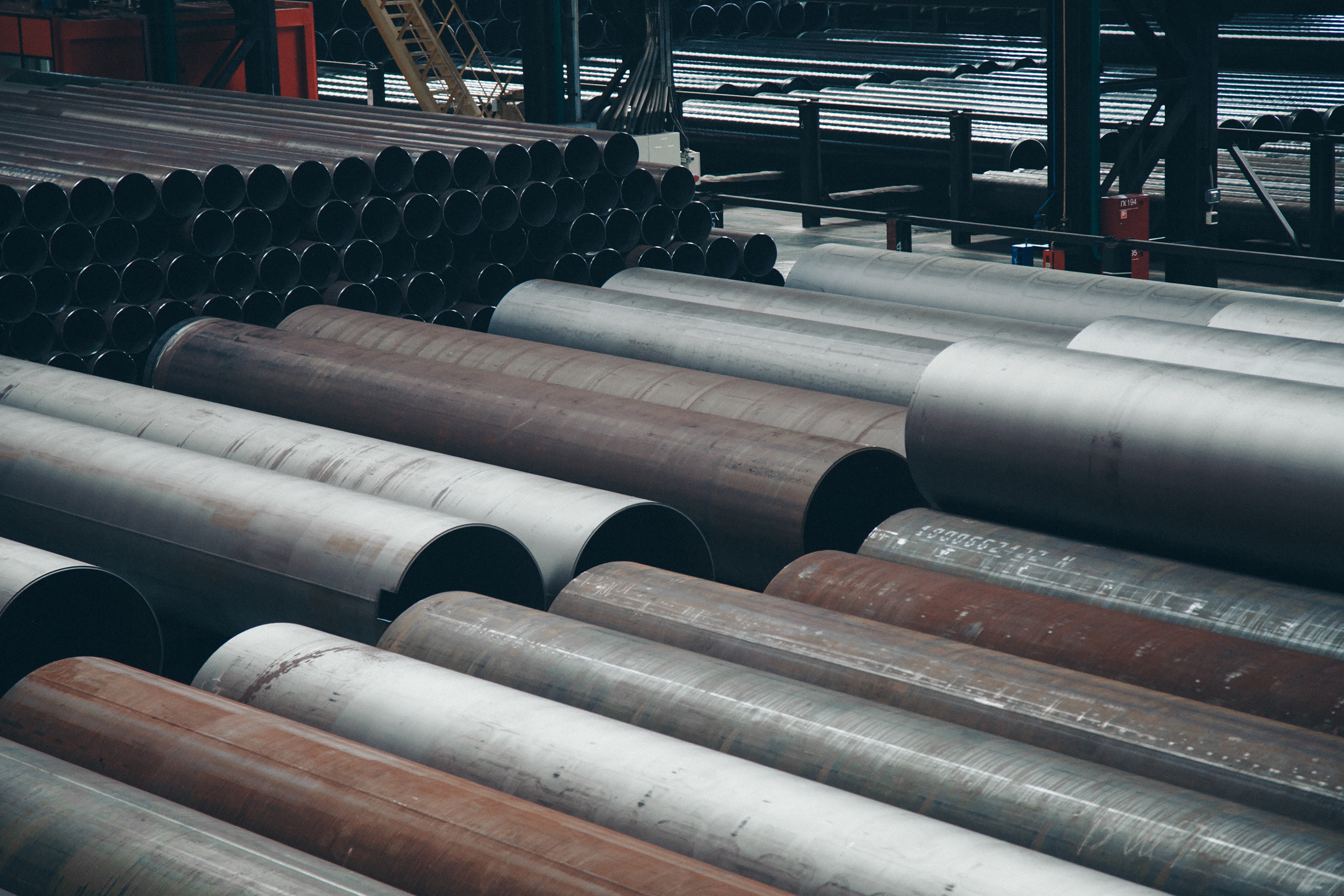
In the rapidly evolving landscape of global infrastructure, engineers and procurement managers face a constant challenge: How to guarantee structural integrity under extreme conditions? Whether it is deep-sea drilling, high-temperature power plants, or complex chemical processing, the answer often lies in a single, critical component—Seamless Steel Pipes (SMLS).
As global standards tighten, understanding the technical superiority of seamless pipes over welded alternatives is essential for making informed purchasing decisions.
1. What Makes Seamless Pipes Superior? (The Science Behind SMLS)
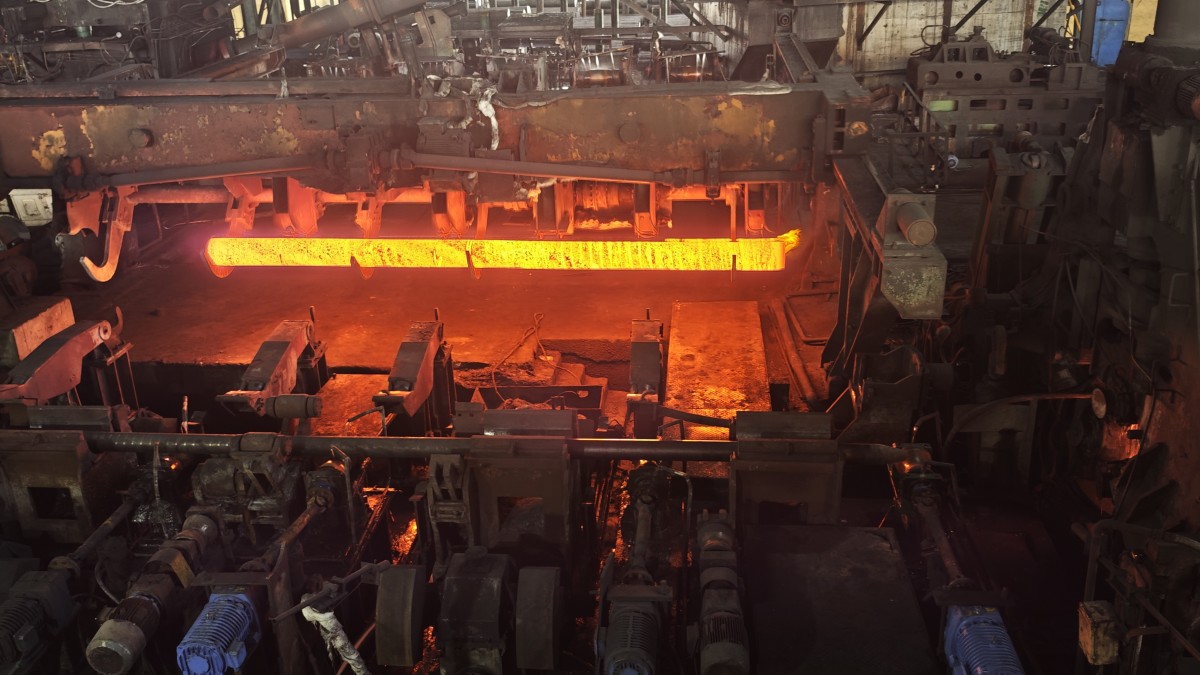
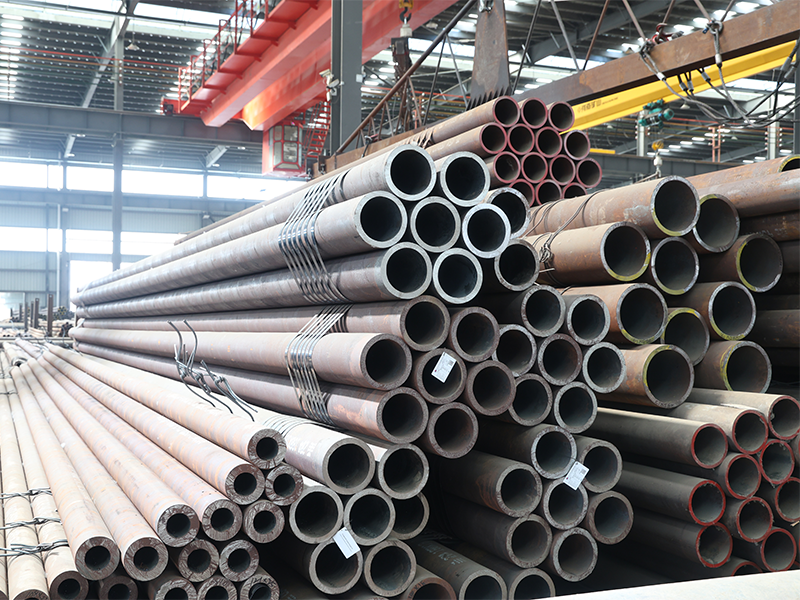
Unlike welded pipes, which are formed by bending steel plates and welding the seams, seamless steel pipes are manufactured from a solid cylindrical steel billet. Through advanced processes like hot rolling or cold drawing, the billet is pierced through the center to form a hollow section.
This weld-free manufacturing process yields several critical engineering advantages:
Uniform Pressure Rating: The absence of a welded seam eliminates any potential “weak points.” This uniformity allows seamless pipes to withstand significantly higher internal pressure.
Superior Corrosion Resistance: Welded zones are often more susceptible to localized corrosion. Seamless pipes offer consistent chemical composition throughout the cross-section, extending the pipe’s lifespan in corrosive environments.
Precise Dimensional Tolerance: Modern cold-drawn seamless pipes exhibit exceptional wall-thickness consistency and outer diameter precision, which are vital for mechanical applications.
2. Key Standards for International Procurement
Navigating global standards is crucial for ensuring project safety. When sourcing seamless pipes, procurement departments typically look for compliance with the following international benchmarks:
ASTM A106 / A53: The standard specification for carbon steel seamless pipes in high-temperature and general pressure services.
API 5L & API 5CT: Developed by the American Petroleum Institute, these are mandatory for oil, gas, and water transportation, as well as casing and tubing.
ASTM A335 (Alloy Steel): Designed specifically for high-temperature service in power plants and petrochemical facilities.
EN 10216 Series: The European standard specifying technical delivery conditions for seamless steel tubes for pressure purposes.
3. High-Demand Applications: Where SMLS is Mandatory
Because of their reliability, seamless pipes are the default choice for critical applications:
Oil & Gas: Transporting crude oil and natural gas under high pressures.
Power Generation: Superheater and reheater tubes in ultra-supercritical boilers.
Chemical & Petrochemical: Handling corrosive fluids under varying temperatures.
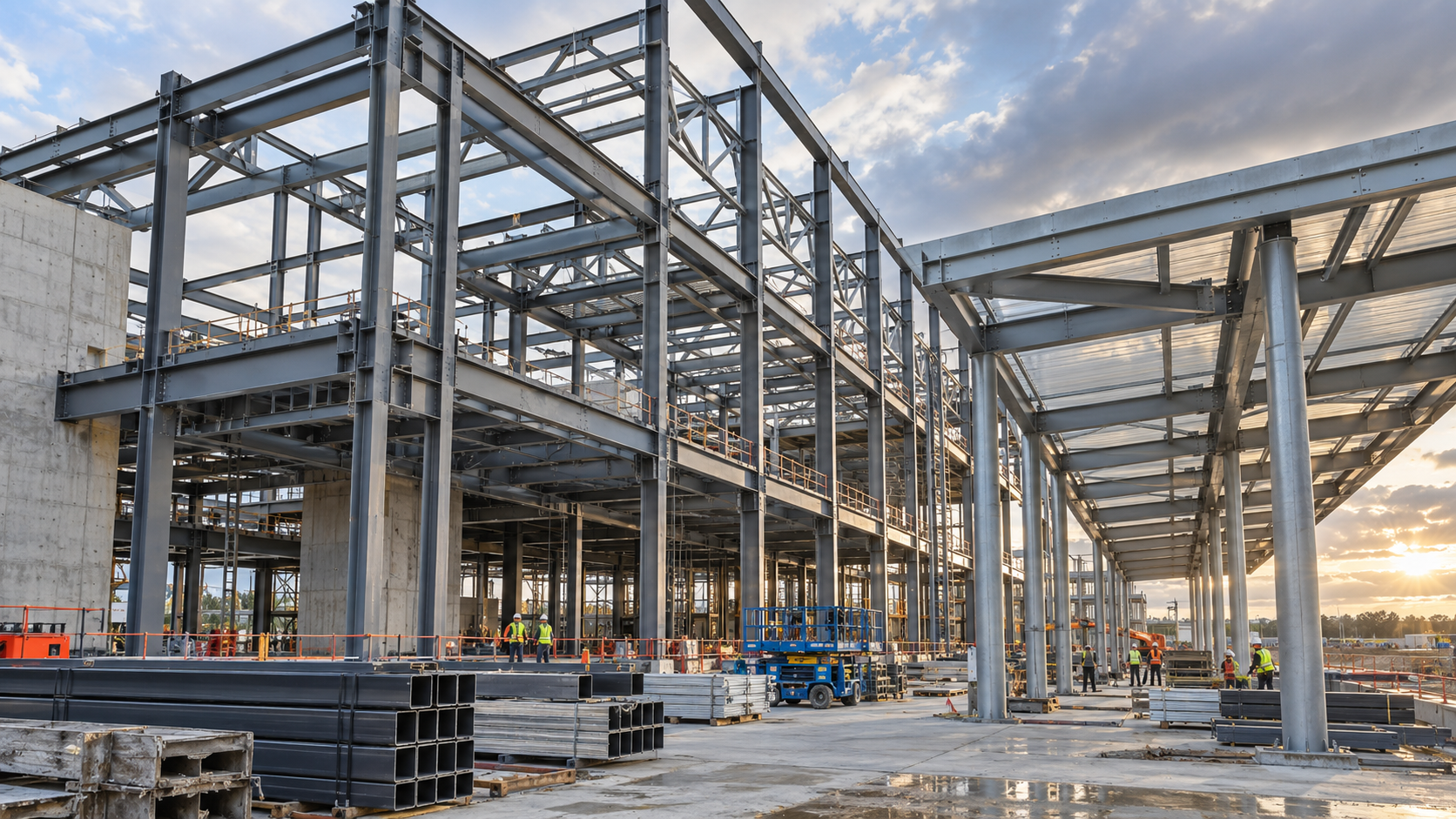
Mechanical & Structural: Heavy-duty hydraulic cylinders, automotive drive shafts, and structural columns.
4. Partnering with Confidence: Quality Redefined
At [Your Company Name], we do not just manufacture steel pipes; we deliver peace of mind. As a dedicated exporter specialized in seamless steel pipe production, we align our operations with the strict requirements of international projects.
Guaranteed Quality Assurance: Every pipe we produce is subjected to rigorous Non-Destructive Testing (NDT), including Ultrasonic Testing (UT), Eddy Current Testing (ET), and Hydrostatic Testing, ensuring 100% compliance with ASTM, API, and EN specifications.
Full Material Traceability: We provide comprehensive Mill Test Certificates (MTC) conforming to EN 10204 3.1 for every shipment.
Customized Solutions: From standard carbon steel to high-grade alloys, we support custom lengths, surface coatings (like 3LPE or FBE), and end-protections.
Experience Our Capabilities Firsthand
We believe transparency builds trust. We warmly invite global clients—distributors, engineers, and project procurement managers—to visit our manufacturing facilities. Witness our hot-rolling lines, inspect our state-of-the-art laboratory, and discuss technical details directly with our engineering team.
Leave A Message
If you are interested in our products and want to know more details, please leave a message here, we will reply you as soon as we can.